

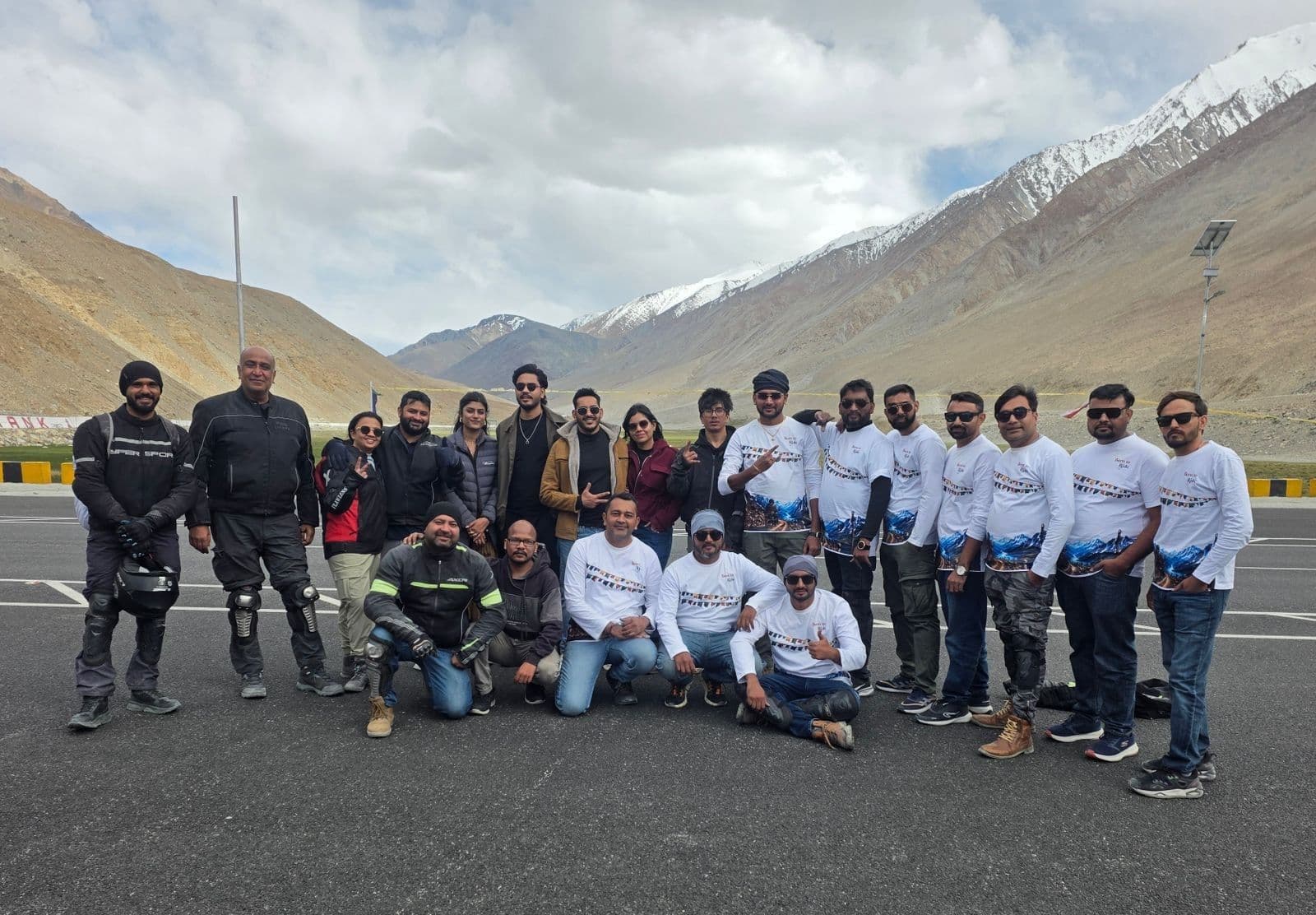
What Makes a Ladakh Group Tour Different from a Regular Himalayan Holiday?
A Ladakh group tour is built around high altitude, remote roads and permit rules, so the pace, safety and logistics are planned very differently from a typical hill-station holiday. You get a fixed acclimatisation schedule, shared vehicles, a trained driver and often a tour leader. A regular Himalayan holiday, say to Shimla or Manali, rarely needs any of this.
Ladakh Is Not Just Another Hill Station
Ladakh sits in a high-altitude cold desert. Leh is at about 3,500 metres (11,500 ft), and Khardung La climbs above 5,300 metres. Roads can close for hours after a landslide or snowfall, and mobile networks vanish in many stretches.
That is why many first-time visitors who browse leh ladakh tour packages are surprised by how much planning sits behind a “simple” itinerary. In a lower Himalayan town you can change plans at breakfast. In Ladakh, one rushed day can leave you with a pounding headache and a ruined trip.
Key Differences at a Glance
- Altitude: Ladakh demands a gradual rise. Most Himalayan hill stations sit between 1,500 and 2,500 metres.
- Road conditions: Long, high passes with limited fuel stops and patchy repair services.
- Permits: Several of the best-known areas require permits.
- Accommodation: Homestays, camps and small hotels with limited rooms, so late bookings are risky.
- Medical help: Fewer hospitals, and some stretches are hours from one.
- Season: The window for road travel is short, roughly late spring to early autumn.
Altitude and Acclimatisation Come First
This is the biggest difference. On a regular holiday, you can land and head straight to a viewpoint. In Ladakh, the first one or two days should be slow. Drink plenty of water, skip alcohol, avoid heavy meals and let your body adjust before heading to higher places like Pangong Lake (around 4,350 m).
A well-run group tour builds this rest into the itinerary rather than treating it as wasted time. Mild altitude sickness is common even among fit travellers, and a leader who knows the early warning signs, such as persistent headache, nausea and unusual breathlessness, can make the call to rest or descend before it becomes serious. If symptoms worsen, getting down to a lower altitude and seeing a doctor matters more than finishing the itinerary.
Permits, Roads and Local Knowledge
Indian nationals need an Inner Line Permit for places like Nubra Valley and Pangong Lake, and foreign nationals need a Protected Area Permit. Rules and fees get updated, so confirm the current process with the Leh administration or a reliable operator before you travel.
Local drivers matter more here than anywhere else in the Himalayas. They know which stretches get icy by afternoon, where to stop for tea and when to cross a pass. A local driver’s judgement is hard to replace with a map app.
Why Group Travel Works So Well in Ladakh
Solo trip planning in Ladakh means juggling permits, vehicle bookings, oxygen-friendly schedules and accommodation across remote villages. This is where leh ladakh group tour packages make real sense, beyond just being cheaper.
Here is what a group setup actually gives you:
- Shared vehicle and fuel costs, which can lower the per-person price noticeably
- Permits, hotels and camps arranged in advance
- A leader or coordinator who handles problems on the road
- Built-in safety, since someone is always around if you feel unwell
- Company on long drives, especially useful for solo travellers
The trade-off is flexibility. You follow a shared schedule, so if you want to spend an extra evening at a monastery, you may not get to. Think about which matters more to you before booking.
A Typical Group Itinerary (and Why It’s Ordered That Way)
The sequence matters in Ladakh. A sensible plan usually runs like this:
- Days 1–2, Leh: Rest, short local walks, Leh Palace and market. No big drives yet.
- Day 3, Sham Valley or nearby monasteries: Lower altitude sightseeing to keep adjusting.
- Days 4–5, Nubra Valley via Khardung La: Sand dunes, Diskit Monastery, Bactrian camels.
- Day 6, Pangong Lake: An overnight stay at the lake, often the trip’s highlight.
- Day 7 onward, return to Leh: Spare time, shopping, departure.
If an itinerary sends you to Pangong on day two, treat that as a red flag.
Who Should Choose a Group Tour, and Who Might Not
Group tours suit first-timers, solo travellers, families who want fewer decisions and anyone nervous about high altitude. Experienced riders, photographers who need long hours at one spot and travellers with their own gear and a flexible schedule may prefer a private or self-driven plan.
What About Winter?
Ladakh in winter is a completely different experience: frozen rivers, very few tourists and temperatures that can drop well below minus 15°C. Road access narrows, and most travellers fly into Leh. Interest in winter ladakh tour packages has grown steadily, often for the Chadar trek or for snow leopard sightings in nearby valleys.
Winter travel needs even more caution. Heating, hot water and oxygen availability differ from summer, and some places close entirely. Go with an operator who has real winter experience, and don’t try it casually.
How to Pick a Trustworthy Operator
- Ask how many acclimatisation days the itinerary includes
- Confirm who arranges permits and whether they’re included in the price
- Check what happens if a road closes or a flight is cancelled
- Ask about group size (a smaller group is usually easier to manage)
- Read recent traveller reviews on independent platforms, not just the operator’s own site
- Confirm vehicle type and driver experience on mountain roads
Final Thoughts
A Ladakh group tour isn’t a lesser version of a Himalayan holiday. It’s a different kind of trip, shaped by altitude, distance and weather. Pick an itinerary that respects your body’s limits, and the landscapes will take care of the rest.