

Turtuk Village Guide: The Last Village Before Pakistan That Every Ladakh Traveler Must Visit
Ladakh has places you go for the views and then there are places you remember for how they made you feel. Turtuk falls in the second category.
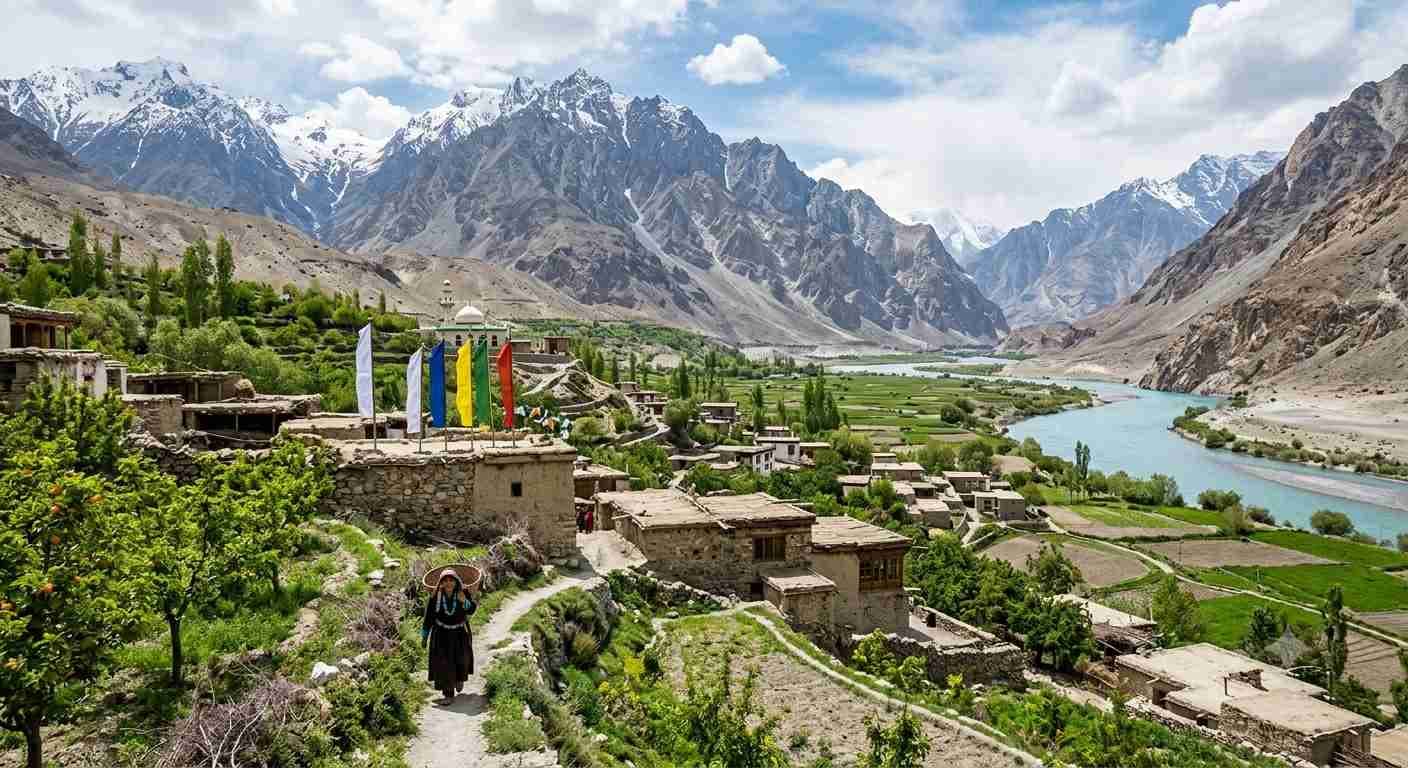
Turtuk is a tiny mountain village in Nubra Valley near the border of India and Pakistan. It is known for its Balti culture, traditional houses, apricot orchards and dramatic Himalayan backdrop. Turtuk is surprisingly green and intimate, not the stark high-altitude desert landscapes that dominate much of Ladakh.
It’s often promoted as the “last village before Pakistan,” although that requires a little explanation. Turtuk is one of the most important, inhabited villages in the area near the Line of Control, while Thang village is officially recognised as the northernmost village of India.
For those who stray from the beaten Ladakh sightseeing track, Turtuk provides a different experience – a chance to slow down and absorb the culture and daily life of a remote Himalayan community.
Where Is Turtuk Village?
Turtuk is in Nubra Valley of Union Territory of Ladakh near Line of Control. It is much more north than the popular Nubra attractions like Diskit and Hunder.
The approach to the village is part of its charm. As you go further in Nubra the landscape starts to change. Cultivation plots, streams, orchards and clusters of traditional houses are replacing dry mountain slopes.
This contrast is one of the reasons that Turtuk is different from other places on a typical Leh Ladakh tour packages itinerary.
What Makes Turtuk So Special?
Turtuk isn’t famous for its scores of monuments or tourist attractions. The culture, the setting and sense of place is what makes it appealing.
The village retains a strong Balti identity, evident in its food, language, architecture and traditions. You may see wooden houses, stone walls, small agricultural plots and irrigation channels carrying precious mountain water as you walk through its narrow lanes.
The village has a fascinating history as well. Turtuk was traditionally aligned with the Baltistan region and was incorporated into India after the 1971 Indo-Pak war. That history is still very much a part of the village’s identity.
The best approach for visitors is not to rush. Walk, talk to the locals where possible and observe the way life goes on in this remote part of Ladakh.
Must See Places & Experiences
Turtuk is best explored by foot. Don't rush to "finish" the village quickly. Take a few hours to wander through the lanes and surroundings.
- Visit Old Village: Traditional settlement is one of the biggest attractions of Turtuk. narrow streets, stone-and-wood houses and old architectural details suggest a way of life shaped by the mountains. Don't look for a slick tourist attraction. That’s the whole thing about it.
- Go to Yabgo Heritage Area: The Yabgo dynasty played an important part in the history of Turtuk. The former ruling family’s heritage buildings offer an interesting glimpse of the region’s past and its links with Baltistan.
- Take a Walk in the Apricot Orchards: What perhaps is most surprising about Turtuk are its orchards. In the flowering season the village looks completely different and later in the year the famous apricots become an important part of the local produce.
- Eat Local Food: Food is a quick way to connect with the culture. Depending on the season and the location of your accommodation, you might come across locally prepared breads, momos, soups, apricot-based products, and traditional Balti-inspired dishes. A meal at a local homestay can be much more memorable than a rushed restaurant stops.
Best Time to Visit Turtuk
Best time to visit is contingent upon what you want to see.
- April to May is attractive for travellers who want to enjoy spring landscapes and apricot blossoms. The weather is still cool, but the orchards start to colour up the valley.
- The best time for a road trip through Nubra is generally from June to September, when the conditions for travelling by car or motorbike are more favourable.
- September and early October are a good time for travellers who prefer quiet roads, crisp skies and fewer crowds.
- Winter is a different story altogether. Heavy snow, extreme cold and difficult road conditions can make travelling difficult, so check local conditions for the latest information before planning a winter visit.
Getting to Turtuk
Most tourists come to Turtuk from Leh as part of a Nubra Valley circuit. The commonly travelled route goes through Khardung La and continues toward Khalsar, Diskit and Hunder before heading farther north toward Turtuk.
The journey takes time and so does not plan Turtuk as a rushed half day trip from Leh.
If you are a traveller planning a bike trip to Ladakh with Turtuk, you need to be extra careful about the acclimatisation. Long rides, high mountain roads, changing weather and remote stretches require good preparation.
If you are travelling by motorbike, carry basic repair equipment, warm layers, water and essential medicines. Fuel planning is just as important as fuel availability becomes limited the deeper you get into remote areas.
How long to stay in Turtuk?
You can see the main village in a day, but you will get a much better feeling if you stay overnight.
A hurried visit is typically a case of coming, taking a few photos and leaving. You will see the village after the sightseeing crowds have gone by staying in a local homestay.
The walks in the morning are especially pleasant. The mountains are sharper in the early light; the village is quieter and the agricultural landscape more peaceful.
If you have time, stay in Turtuk for at least a night and don’t just make it one more tick mark on your Ladakh itinerary.
Important Travel Tips to Turtuk
Because Turtuk is near a sensitive international border, travellers should take note of local rules and security instructions.
- Take along identification and travel documents.
- Follow the instructions of local authorities and security officials.
- Do not photograph sensitive or restricted installations.
- Always ask permission before photographing residents.
- Bring sufficient water, snacks and essential medicines.
- Do not throw rubbish in the village or surrounding area.
- Respect for homes, places of worship and private property.
- Keep some cash handy as digital connectivity can be spotty.
- Don't rush your itinerary unnecessarily.
Responsible tourism is especially important in a village where tourism is growing but traditional life still forms part of the community.
Turtuk as a part of your Ladakh itinerary
If you are planning, Leh Ladakh group tour with Turtuk then Turtuk deserves more than a quick stop. It adds a cultural element to the trip which is hard to find in the more commercialised parts of Ladakh.
A well-planned itinerary allows you to combine the sand dunes and monasteries of Nubra with the village landscapes of Turtuk, offering two very different sides of the same valley.
And the journey is more rewarding when you leave enough breathing space between destinations. In Ladakh, seeing more does not necessarily mean experiencing more.
Is Turtuk a Good Place to Visit?
Absolutely, especially if you have decided to go ahead with Nubra Valley.
Turtuk is a combination of dramatic mountains and something infinitely more human: orchards, traditional homes, local food, history and a living culture developed over generations.
While many Ladakh tour packages focus heavily on Pangong Lake, Nubra Valley and the major monasteries, including Turtuk can make the journey feel much more intimate.
And maybe that's the best reason to go. When you leave Turtuk, you don’t just remember a mountain view. You recall the narrow village lanes, the apricot trees, the old houses and the sense of arriving in a remote corner of Ladakh where the landscape and local life still feel beautifully interwoven.