

Vietnam’s Ancient Architecture: A Journey Through Its Historic Buildings and Temples
The best way to see Vietnam’s ancient architecture is to visit three regions. To the north is Hanoi’s Temple of Literature and the One Pillar Pagoda. In the middle are the Hue Imperial City, Hoi An Ancient Town and the Cham towers of My Son. The south has Khmer pagodas and French-period buildings. Central Vietnam has the largest number of UNESCO sites, so it's the logical place to begin.
Why Vietnam’s Buildings Are the Way They Are
Vietnamese architecture is layered. Chinese, Indian, Khmer, Cham and French influences all left their marks over the centuries and local builders mixed them up rather than copying them. You see it in the curved tiled roofs, the timber frames joined without nails, the carved dragons and lotus motifs.
Climate also influenced the designs. Deep eaves keep out monsoon rain, raised floors humidity, and air is allowed to flow through open courtyards. When you stand inside an old temple on a hot afternoon, you feel comfortable. That’s not by accident.
Northern Vietnam: The Cradle of the Oldest Traditions
Temple of Literature, Hanoi
It was established in 1070 and was Vietnam’s first national university. Five courtyards, through gates and gardens, lead you to the sanctuary. Don’t miss the stone steles, perched on carved turtles, with the names of scholars who passed the royal exams. Get there before the tour buses do.
One-Pillar Pagoda
It was tiny, almost fragile, and made to resemble a lotus emerging from the water. It is small compared with the grand palaces elsewhere, but it is one of the most recognised symbols of Hanoi. You've got twenty minutes, maximum, here.
Imperial Citadel of Thang Long
The excavated grounds reveal how many dynasties built on top of each other. It’s less polished than Hue and that’s more honest.
Central Vietnam: Heart of the Heritage Trail
Anyone interested in architecture who is planning a Central Vietnam Tour Package will find the region unusually rewarding as three UNESCO recognised sites are located within a few hours drive from each other.
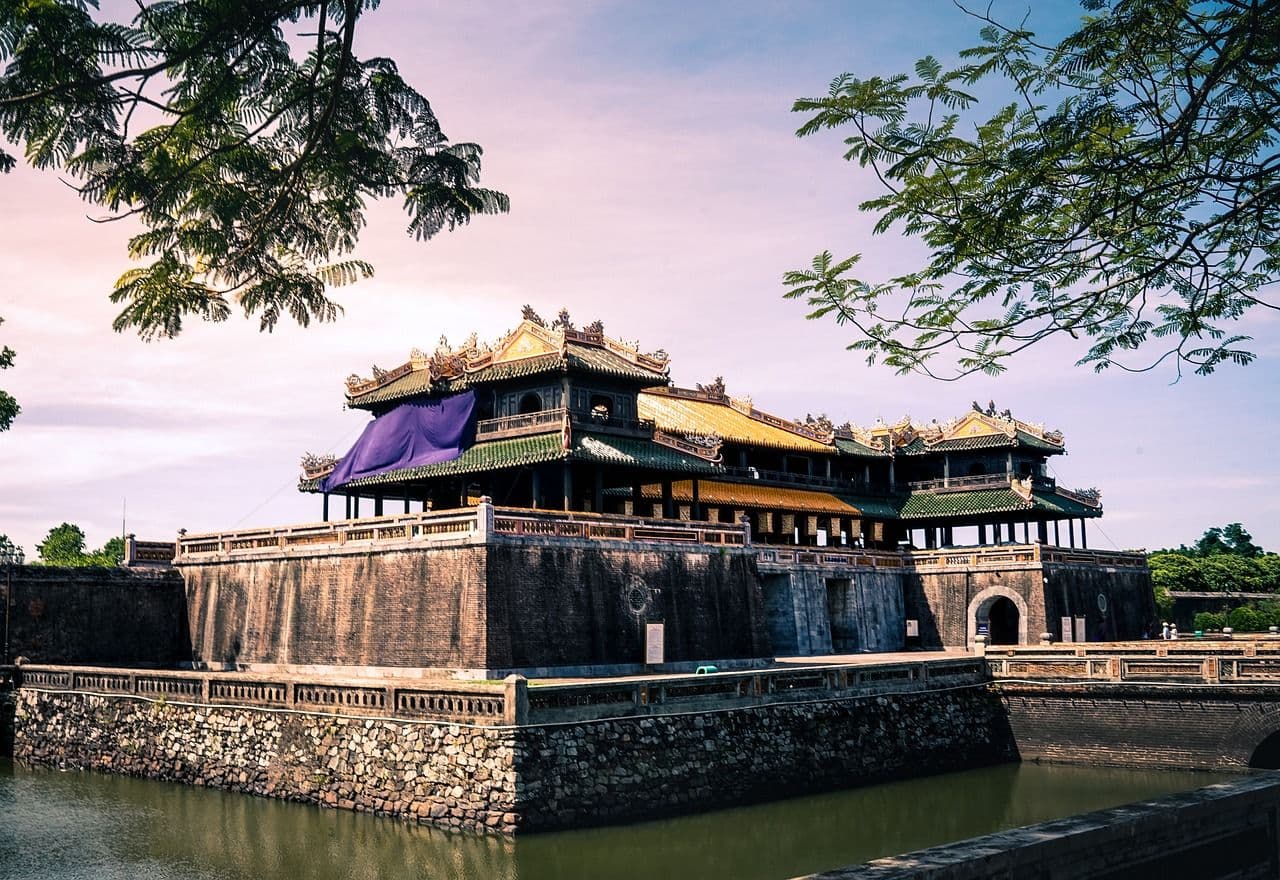
Imperial City Huế
The Nguyen dynasty ruled from this point until 1945. The Citadel with its moats, gates, throne halls and royal tombs, is scattered along the Perfume River. Full day itinerary. The tombs of Minh Mang and Khai Dinh should be separated from the citadel visit as they are totally different in mood.
Hoi An Ancient City
A former trading port where Japanese, Chinese and Vietnamese merchants built side-by-side. The Japanese Covered Bridge and old merchant houses and assembly halls are all within walking distance. Come in the evening when the lanterns are lit, but also take an early morning stroll when the locals outnumber the visitors.
My Son Sanctuary
Brick towers built by the Cham between the 4th and 13th centuries, mostly dedicated to Hindu gods. A lot were damaged in the war so the site feels quiet and a little melancholy. Get there at sunrise for cooler air and softer light.
Quick Reference: Must-See Sites, by Area
- North: Temple of Literature, One Pillar Pagoda, Thang Long Citadel, Perfume Pagoda
- Centre: Hue Imperial City, Hoi An, My Son, Thien Mu Pagoda
- South: Vinh Trang Pagoda (My Tho), Khmer pagodas in the Mekong Delta, Saigon Notre-Dame Basilica and Central Post Office
Planning the Trip: Group or Independent?
Vietnam's heritage sites are scattered and the best ones require a guide to explain what you are looking at. A Cham tower is a pile of bricks, without context. That’s why many travellers choose Vietnam group tour packages for their first time in the country. Transfers, entry tickets and a local guide are already arranged, so you can spend your energy on the buildings instead of logistics.
Still, there are limits to group tours. You are on a schedule and it can be a bit rushed if you want to take your time at places like My Son. Some photographers and history buffs, in addition to the group plan, opt for a private guide.
Practical Tips Before You Travel
- Dress humbly. Shoulders and knees covered at pagodas and royal tombs.
- Have small notes. Some temples accept donations and small shops gather outside.
- Wear shoes that come off easily. You will be removing them often.
- Begin early. By noon, heat and humidity hit their peak, especially in Hue.
- Check the opening times. Some sites close for lunch or ceremonies and hours vary with the seasons.
- There are nice people. Don’t point your feet at altars, or touch carved figures.
Best Time to Go
Vietnam’s climate changes from region to region, so there is no such thing as a perfect month for the country as a whole. Central Vietnam is generally nice from about February to May. Heavy rain and occasional typhoons mostly September to November, and Hue can flood. The north is cool and misty in winter and the south is warm all year. Check a recent forecast before setting dates.
Planning a Practical Itinerary
This is the type of itinerary followed by most good cultural Vietnam holiday packages:
- Hanoi (2 nights): Temple of Literature, Old Quarter, Thang Long.
- Hue (1-2 nights): Imperial City, royal tombs, Thien Mu Pagoda.
- Hoi An and My Son (2-3 nights): Ancient Town, Half Day My Son.
- Ho Chi Minh City (1-2 nights): Notre-Dame Basilica, Central Post Office, Mekong Delta day tour.
This route works in 7 to 10 days. Don’t squeeze it into five. Rushed trips blur everything. Slow looking rewards heritage sites.
Conclusion
The old buildings of Vietnam are not frozen relics. Many of them still burn incense, celebrate festivals and run shops inside. It is this quality of life that makes the trip memorable. Take your time, find a good guide and let each site tell you what it was built for.