

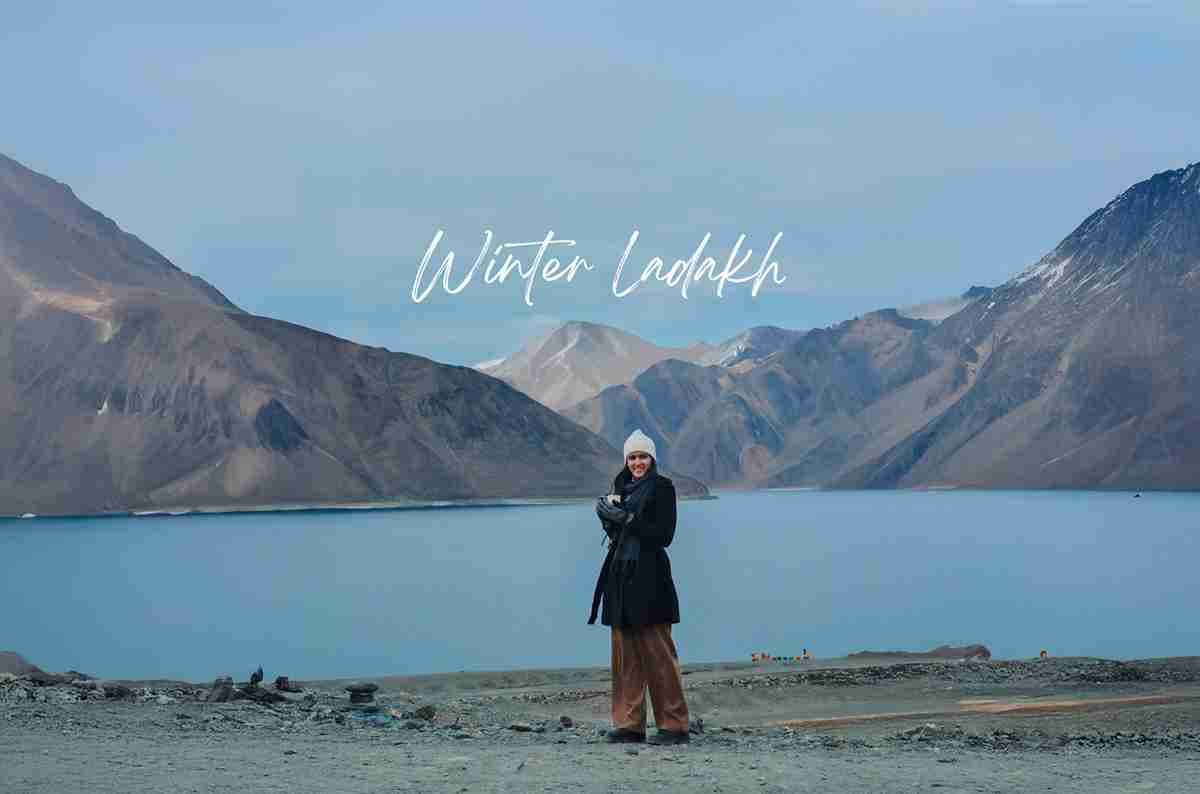
Beyond Snowfall: 7 Unique Experiences to Enjoy in Winter Ladakh
There is a lot more to winter in Ladakh than snow. On the Chadar trek you can walk on the frozen Zanskar River, in Hemis National Park you can spot snow leopards, you can witness monastery festivals like Dosmoche and Losar, you can stay in a traditional homestay, and you can photograph Pangong Lake in its frozen stillness. Mostly this is between January and early March when Leh is quiet and temperatures can dip below minus 20°C.
Why Ladakh is a Different Place in Winters
Summer Ladakh is busy. Motorbikes, jeeps, camps and crowded viewpoints. Winter takes it all away. The passes close, the markets slow down, and the valley goes silent in a way that is hard to explain until you have stood in it.
Most visitors fly into Leh as the Manali and Srinagar highways are closed for much of the season. Flights can be affected by weather, so build a buffer day into your schedule. If you’re looking at winter leh ladakh tour packages, make sure the itinerary includes acclimatisation, heated stays and a flexible schedule. In the cold weather these are not optional extras.
7 Winter Experiences to Travel For
- The Chadar Trek: A multi-day trek on the frozen Zanskar River, typically in late January or February. It is hard, cold and not recommended for beginners without preparation.
- Tracking the Snow Leopards: Some of the better places to try are Hemis National Park and nearby valleys such as Rumbak. Sightings are not guaranteed, but trackers and local guides will significantly increase your odds.
- Frozen Lake Pangong: Road conditions dictate access, but when open, the half-frozen lake is something else.
- Monastery dinners: The masked dances and prayer ceremonies are for Losar (Ladakhi New Year) and Dosmoche. Dates are according to the Tibetan lunar calendar, so check before you book.
- Homestays in the village: Sleep in a traditional home, sit by the bakhari (wood or dung stove) and eat what the family eats.
- Winter picture: Leh Palace in the snow, empty landscapes and bright light.
- Ice hockey: The locals play on frozen ponds close to Leh. A strange afternoon watching a game.
The Chadar Trek: What You Need to Know Before You Go
The Chadar is the one everyone mentions first and is worth a careful look. It's a trek on foot across the frozen Zanskar and temperatures can dip well below minus 20°C. The ice can change day to day and a guide who reads it is more important than any gear you have.
If you are thinking of doing it, here is how to prepare:
- Build fitness for at least two months ahead of time, with long walks and stair-climbing.
- Buy or rent proper insulated boots, thermals and down jacket.
- First, spend a couple of days in Leh to acclimatise to altitude.
- Go with a registered, experienced operator, never alone.
- Check the ice and permit status close to your travel date.
I would not recommend this as a first-time Himalayan trek. If you are not sure, start with the village and the monastery experience and decide later.
Snow Leopards and Winter Wildlife
In winter the snow leopards descend to lower altitudes to hunt, primarily blue sheep. That makes it the best time to see them. But the cold is for real. Be prepared to get up early, to wait around for hours and drink a lot of tea.
To see a snow leopard, you need patience and a skilled local tracker. See it as a bonus, not the goal. Tibetan wolves and red foxes, ibex and lammergeiers – all in an empty winter landscape, even without a sighting.
Living Culture: Festivals, Monasteries and Homestays
Many think that winter is when Ladakh shuts down. No, it doesn't. Monasteries still pray and some have festivals where few outsiders come.
Probably the most underrated option is staying in a village homestay. The rooms are cosy in the evenings, the food simple (thukpa, momos, butter tea) and the conversations go on late. You will learn more about the region in one evening than a day of sightseeing.
A Leh Ladakh group tour is a great way to de-stress for solo travellers and anyone who is apprehensive about the cold. Permits, transfers, heated stays and local guides are arranged, and you have people around if the weather changes.
Keeping Safe in Extreme Cold
Ladakh winter is beautiful, but it is demanding too. Remember the following:
- Altitude: Rest for first 48 hours. Do not postpone the arrival day.
- Layers: Thermal base, fleece, down jacket, windproof shell, warm socks and gloves.
- Water: Pipes can freeze, so ask hotels about heat and hot water.
- Skin and lips: Always wear sunscreen and use lip balm even in winter. Snow reflects a lot of UV.
- Medical: Bring your own medicines and see your doctor if you have heart, lung or blood-pressure problems.
- Flexibility: Weather may result in flight cancellations and road closures. Keep extra days.
When to Go: A Quick Month-by-Month Guide
- December: Cold and quiet, less closure than January.
- January: The coldest of months. Perfect for Chadar and snow leopards.
- February: Similar cold, with some festivals.
- March: Slowly warming, more access opening up.
Selecting the Right Plan
Browsing Leh Ladakh tour packages in winter can be confusing as many operators recycle summer itineraries. Watch out for extra acclimatisation days, confirmed heating, flight buffers and a contingency plan in case the roads or flights are disrupted. Ask the operator about their experience in the winter and check out recent independent reviews.
Conclusion
Winter Ladakh isn't for everyone, and that's part of the charm. It rewards those who take their time, dress sensibly, and stay curious. Select one or two experiences, leave room in the schedule, and the quiet will take care of the rest.